Buy easylove.co.uk ?
We are moving the project
easylove.co.uk .
Are you interested in purchasing the domain
easylove.co.uk ?
domain@kv-gmbh.de · 0541-91531010
Buy easylove.co.uk ?
Should I use 2 x 0.75 cables instead of 3 x 1.5 cables?
Using 2 x 0.75 cables instead of 3 x 1.5 cables may not be advisable as the total cross-sectional area of the cables would be smaller in the former option. This could result in a lower current-carrying capacity and potentially lead to overheating or other safety hazards. It is important to ensure that the cables used are appropriate for the intended application and meet the necessary safety standards. **
What is the objective difference between the 18-200mm and the 55-200mm?
The objective difference between the 18-200mm and the 55-200mm lenses is their focal length range. The 18-200mm lens has a wider focal length range, allowing for both wide-angle and telephoto shots, making it a more versatile option for various types of photography. On the other hand, the 55-200mm lens has a narrower focal length range, making it more suitable for capturing distant subjects with its telephoto capabilities. Ultimately, the choice between the two lenses depends on the specific photography needs and shooting preferences of the user. **

Similar search terms for Cables-Direct-200mm-x
Top-Angebote
Products related to Cables-Direct-200mm-x:
-
Arctic Vortex Professional Soldering Mat 1200°C – 290 x 200mmVortex 1200°C Professional Solder Mat – High-Temperature Surface Protection The Vortex 1200°C Professional Solder Mat is designed for extreme heat applications like soldering and brazing. With double thickness, multi-layer insulation it can withstand temperatures up to 1200°C and protect surrounding surfaces from damage. Has woven glass fibre edge binding to prevent fraying and extend life. Compact and effective it’s the perfect companion for the Vortex range of brazing and soldering torches and suitable for all types of soldering and brazing jobs. Features Extreme Heat Resistance – Up to 1200°C for maximum surface protection. Durable Multi-Layer Build – Double thickness for superior insulation and longe14,46 £*Shipping: 5,00 £Secure redirect to the provider
-
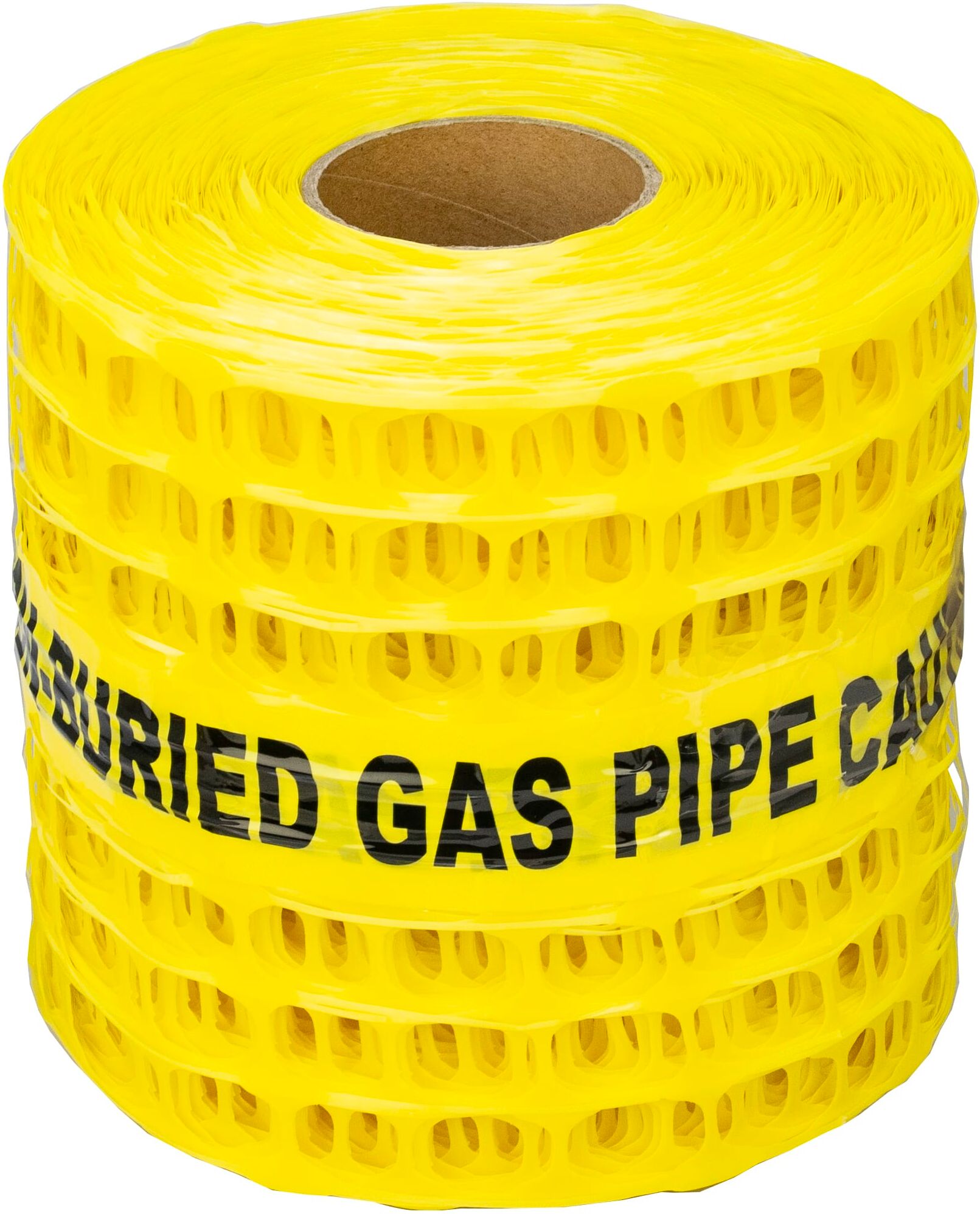
Hamilton Gas Products Ltd Gas Underground Detectable Tape - 200mm x 100mGas Underground Detectable Tape - 200mm x 100m Ensure the safety and efficiency of your underground gas projects with our high-quality Gas Underground Detectable Tape. This detectable underground marker tape is designed for easy identification and durability, providing peace of mind for any excavation work. Key Features: Size: 200mm wide x 100 meters long, perfect for extensive coverage. High Visibility: Black text on a bright yellow background with a repeated warning CAUTION BURIED GAS MAIN, making it highly visible when pulled up in an excavator bucket. Durability: Made from high-strength, rot-resistant plastic mesh, ensuring long-lasting performance even in harsh underground conditions. Stainless21,00 £*Shipping: 5,00 £Secure redirect to the provider
-
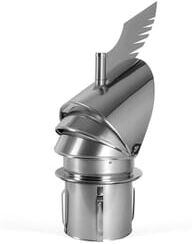
Darco Dragon Chimney Cowl Black - 200mmRotowent 200mm Dragon Chimney Cowl in Black – Maximise Chimney Draught & Efficiency The Rotowent Dragon 200mm Chimney Cowl is expertly engineered to enhance chimney draught using the dynamic force of the wind. Designed to continuously adjust to wind direction, this high-performance chimney cap prevents downdraught and is ideal for gravitation-based chimney ducts, as well as ventilation, flue, and smoke outlets. Key Features: Wind-Powered Efficiency: The Dragon chimney cowl effortlessly rotates to oppose the wind, ensuring optimal performance in all weather conditions. Patented Rotating System: Equipped with durable ball bearings positioned outside the cap, the Rotowent Dragon withstands extreme temperatures of up to 500C, making it perfe184,80 £*Shipping: 0,00 £Secure redirect to the provider



-
Can the direct current cross-section be distributed across multiple cables?
Yes, direct current can be distributed across multiple cables. By connecting multiple cables in parallel, the total current can be divided among the cables, allowing for the distribution of the direct current across them. This method is commonly used in electrical systems to ensure that the current is evenly distributed and to prevent overloading of individual cables. **
-
How do I determine the polarity of cables in direct current?
To determine the polarity of cables in direct current, you can use a multimeter set to the DC voltage setting. Connect the red probe to the positive terminal of the cable and the black probe to the negative terminal. If the multimeter shows a positive reading, then the red probe is connected to the positive terminal. If the reading is negative, then the red probe is connected to the negative terminal. This method helps you identify the polarity of the cables accurately. **
-
Do you need thicker cables for direct current than for alternating current?
No, you do not necessarily need thicker cables for direct current (DC) than for alternating current (AC). The current-carrying capacity of a cable is determined by factors such as the material, size, and insulation of the cable, as well as the voltage and current being carried. Both DC and AC have their own unique considerations when it comes to cable sizing, but the need for thicker cables is not inherently tied to the type of current being carried. It ultimately depends on the specific requirements of the electrical system and the application. **
-
How often is the zoom at 200mm?
The zoom at 200mm is typically found on telephoto lenses, and it is a popular focal length for capturing distant subjects such as wildlife, sports, and events. The frequency of using the zoom at 200mm depends on the specific needs of the photographer and the type of photography they are doing. For some photographers, they may use the 200mm zoom frequently for capturing distant subjects, while others may use it less often depending on their shooting style and preferences. **

How does the stress on cables differ between direct current and alternating current?
In direct current (DC) systems, the stress on cables is relatively constant because the current flows in one direction continuously. This results in a steady and predictable stress level on the cables. On the other hand, in alternating current (AC) systems, the stress on cables fluctuates as the current changes direction periodically. This can lead to higher stress levels on the cables, especially during peak currents, which may require cables to be designed to withstand these fluctuations. **
Why does the voltage tester light up on both cables in direct current?
The voltage tester lights up on both cables in direct current because in a direct current circuit, the flow of electric charge is unidirectional. This means that the current flows from the positive terminal to the negative terminal of the power source. When the voltage tester is connected to the cables, it detects the presence of electric potential difference between the two points, causing the light to illuminate on both cables. This indicates that there is a voltage present in the circuit, regardless of the direction of the current flow. **
Top-Angebote
Products related to Cables-Direct-200mm-x:
-
Darco Dragon Chimney Cowl - 200mmRotowent 200mm Dragon Chimney Cowl – Maximise Chimney Draught & Efficiency The Rotowent Dragon 200mm Chimney Cowl is expertly engineered to enhance chimney draught using the dynamic force of the wind. Designed to continuously adjust to wind direction, this high-performance chimney cap prevents downdraught and is ideal for gravitation-based chimney ducts, as well as ventilation, flue, and smoke outlets. Key Features: Wind-Powered Efficiency: The Dragon chimney cowl effortlessly rotates to oppose the wind, ensuring optimal performance in all weather conditions. Patented Rotating System: Equipped with durable ball bearings positioned outside the cap, the Rotowent Dragon withstands extreme temperatures of up to 500C, making it perfect for wo132,00 £*Shipping: 0,00 £Secure redirect to the provider
-
Arctic Vortex Professional Soldering Mat 1800°C – 290 x 200mmVortex Professional Soldering Mat 1800°C – Heavy Duty Heat Protection The Vortex Professional Soldering Mat 1800°C (290 x 200mm) is the ultimate heat protection solution for soldering or brazing. With multi-layered construction and water-resistant backing this mat has the highest heat resistance in the Vortex range—up to 1800°C. For professional use, it gives protection to walls, floors and surfaces during high heat applications. Compact and tough this mat gives maximum insulation, long life and great performance with all Vortex brazing and soldering torches. Features Extreme Heat Resistance – Up to 1800°C for high intensity soldering and brazing tasks. Multi-Layered Build27,66 £*Shipping: 5,00 £Secure redirect to the provider
-
Arctic Vortex Professional Soldering Mat 1200°C – 290 x 200mmVortex 1200°C Professional Solder Mat – High-Temperature Surface Protection The Vortex 1200°C Professional Solder Mat is designed for extreme heat applications like soldering and brazing. With double thickness, multi-layer insulation it can withstand temperatures up to 1200°C and protect surrounding surfaces from damage. Has woven glass fibre edge binding to prevent fraying and extend life. Compact and effective it’s the perfect companion for the Vortex range of brazing and soldering torches and suitable for all types of soldering and brazing jobs. Features Extreme Heat Resistance – Up to 1200°C for maximum surface protection. Durable Multi-Layer Build – Double thickness for superior insulation and longe14,46 £*Shipping: 5,00 £Secure redirect to the provider
-
Hamilton Gas Products Ltd Gas Underground Detectable Tape - 200mm x 100mGas Underground Detectable Tape - 200mm x 100m Ensure the safety and efficiency of your underground gas projects with our high-quality Gas Underground Detectable Tape. This detectable underground marker tape is designed for easy identification and durability, providing peace of mind for any excavation work. Key Features: Size: 200mm wide x 100 meters long, perfect for extensive coverage. High Visibility: Black text on a bright yellow background with a repeated warning CAUTION BURIED GAS MAIN, making it highly visible when pulled up in an excavator bucket. Durability: Made from high-strength, rot-resistant plastic mesh, ensuring long-lasting performance even in harsh underground conditions. Stainless21,00 £*Shipping: 5,00 £Secure redirect to the provider
-
Should I use 2 x 0.75 cables instead of 3 x 1.5 cables?
Using 2 x 0.75 cables instead of 3 x 1.5 cables may not be advisable as the total cross-sectional area of the cables would be smaller in the former option. This could result in a lower current-carrying capacity and potentially lead to overheating or other safety hazards. It is important to ensure that the cables used are appropriate for the intended application and meet the necessary safety standards. **
-
What is the objective difference between the 18-200mm and the 55-200mm?
The objective difference between the 18-200mm and the 55-200mm lenses is their focal length range. The 18-200mm lens has a wider focal length range, allowing for both wide-angle and telephoto shots, making it a more versatile option for various types of photography. On the other hand, the 55-200mm lens has a narrower focal length range, making it more suitable for capturing distant subjects with its telephoto capabilities. Ultimately, the choice between the two lenses depends on the specific photography needs and shooting preferences of the user. **
-
Can the direct current cross-section be distributed across multiple cables?
Yes, direct current can be distributed across multiple cables. By connecting multiple cables in parallel, the total current can be divided among the cables, allowing for the distribution of the direct current across them. This method is commonly used in electrical systems to ensure that the current is evenly distributed and to prevent overloading of individual cables. **
-
How do I determine the polarity of cables in direct current?
To determine the polarity of cables in direct current, you can use a multimeter set to the DC voltage setting. Connect the red probe to the positive terminal of the cable and the black probe to the negative terminal. If the multimeter shows a positive reading, then the red probe is connected to the positive terminal. If the reading is negative, then the red probe is connected to the negative terminal. This method helps you identify the polarity of the cables accurately. **
Similar search terms for Cables-Direct-200mm-x
-
Darco Dragon Chimney Cowl Black - 200mmRotowent 200mm Dragon Chimney Cowl in Black – Maximise Chimney Draught & Efficiency The Rotowent Dragon 200mm Chimney Cowl is expertly engineered to enhance chimney draught using the dynamic force of the wind. Designed to continuously adjust to wind direction, this high-performance chimney cap prevents downdraught and is ideal for gravitation-based chimney ducts, as well as ventilation, flue, and smoke outlets. Key Features: Wind-Powered Efficiency: The Dragon chimney cowl effortlessly rotates to oppose the wind, ensuring optimal performance in all weather conditions. Patented Rotating System: Equipped with durable ball bearings positioned outside the cap, the Rotowent Dragon withstands extreme temperatures of up to 500C, making it perfe184,80 £*Shipping: 0,00 £Secure redirect to the provider
-
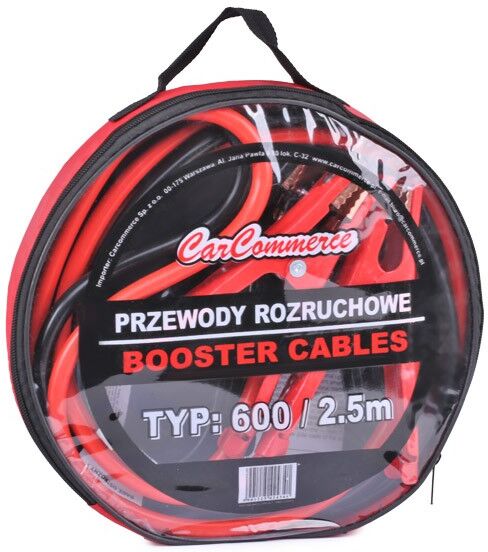
CARCOMMERCE 42434 Jumper cablesCurrent carrying capacity [A]: 600; Cable Colour: red/black; Peak Current [A]: 600; Current Strength to [A]: 600; Vehicle type: Passenger cars; Material: Copper; Length [m]: 2.5; suited for engine type: Diesel, Petrol Engine; Supplementary Article / Supplementary Info Info 2: with overvoltage protection12,49 £*Shipping: 8,45 £Secure redirect to the provider
-
AMiO 01435 Jumper cablesPeak Current [A]: 1000; Packaging: Plastic case; Quantity: 2; Insulated: ; Colour: red, black; Current Strength to [A]: 1000; Vehicle type: Passenger cars, Trucks; Material: Aluminium; Length [m]: 6; suited for engine type: Diesel, Petrol Engine; Supplementary Article / Supplementary Info Info 2: with overvoltage protection25,49 £*Shipping: 8,45 £Secure redirect to the provider
-
Do you need thicker cables for direct current than for alternating current?
No, you do not necessarily need thicker cables for direct current (DC) than for alternating current (AC). The current-carrying capacity of a cable is determined by factors such as the material, size, and insulation of the cable, as well as the voltage and current being carried. Both DC and AC have their own unique considerations when it comes to cable sizing, but the need for thicker cables is not inherently tied to the type of current being carried. It ultimately depends on the specific requirements of the electrical system and the application. **
-
How often is the zoom at 200mm?
The zoom at 200mm is typically found on telephoto lenses, and it is a popular focal length for capturing distant subjects such as wildlife, sports, and events. The frequency of using the zoom at 200mm depends on the specific needs of the photographer and the type of photography they are doing. For some photographers, they may use the 200mm zoom frequently for capturing distant subjects, while others may use it less often depending on their shooting style and preferences. **
-
How does the stress on cables differ between direct current and alternating current?
In direct current (DC) systems, the stress on cables is relatively constant because the current flows in one direction continuously. This results in a steady and predictable stress level on the cables. On the other hand, in alternating current (AC) systems, the stress on cables fluctuates as the current changes direction periodically. This can lead to higher stress levels on the cables, especially during peak currents, which may require cables to be designed to withstand these fluctuations. **
-
Why does the voltage tester light up on both cables in direct current?
The voltage tester lights up on both cables in direct current because in a direct current circuit, the flow of electric charge is unidirectional. This means that the current flows from the positive terminal to the negative terminal of the power source. When the voltage tester is connected to the cables, it detects the presence of electric potential difference between the two points, causing the light to illuminate on both cables. This indicates that there is a voltage present in the circuit, regardless of the direction of the current flow. **
* All prices are inclusive of VAT and, if applicable, plus shipping costs. The offer information is based on the details provided by the respective shop and is updated through automated processes. Real-time updates do not occur, so deviations can occur in individual cases. ** Note: Parts of this content were created by AI.