Buy easylove.co.uk ?
We are moving the project
easylove.co.uk .
Are you interested in purchasing the domain
easylove.co.uk ?
domain@kv-gmbh.de · 0541-91531010
Buy easylove.co.uk ?
Which SATA connection doesn't matter?
The SATA connection that doesn't matter is the type of SATA cable used to connect a SATA device to a motherboard. Both SATA 1, 2, and 3 cables are compatible with each other and can be used interchangeably. The only difference between them is the data transfer speed, but they are all physically and electrically compatible with each other. Therefore, the specific type of SATA cable used does not matter as long as it is a SATA cable. **
What type of connection is SATA?
SATA (Serial Advanced Technology Attachment) is a type of connection used for connecting storage devices such as hard drives and solid-state drives to a computer's motherboard. It is a serial connection, meaning data is transmitted one bit at a time over a single wire. SATA connections are widely used in modern computers due to their high data transfer speeds and ease of use. **

Similar search terms for SATA
Top-Angebote
Products related to SATA:
-
StarTech mSATA to SATA AdapterStarTech.com mSATA SSD to 2.5in SATA Adapter Converter - mSATA to SATA Adapter for 2.5in bay with Open Frame Bracket and 7mm Drive Height (SAT32MSAT257) - Storage controller - 1 Channel - SATA 6Gb/s - SATA 6Gb/s - for P/N: BRACKET125PT, BRACKET125PTP, SATERASER4, SDOCK1EU3P2, SDOCK4U313, USB31C2SAT332,49 £*Shipping: 0,00 £Secure redirect to the provider
-
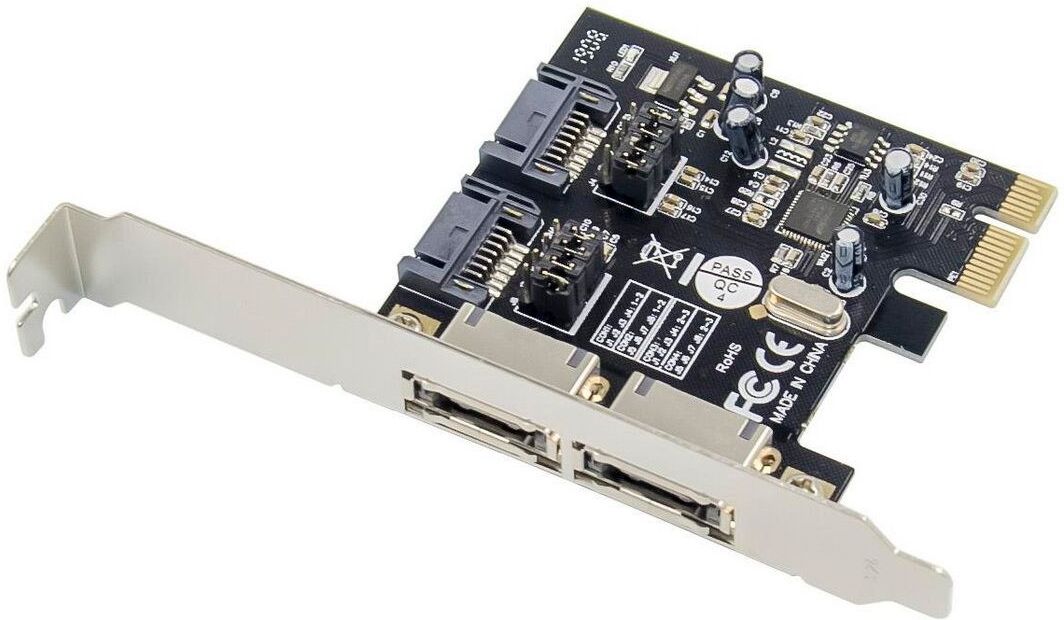
MicroConnect 2-Port SATA III PCIe Card, 2x eSATA + 2x Internal SATA (MC-SATA3-T4)MicroConnect MC-SATA3-T4 PCI Express 2.0 x1 expansion card based on the ASMedia ASM1061 controller. Adds two SATA 6 Gb/s ports usable as two external eSATA or two internal SATA connections (two ports in use at a time). Suits desktop PCs needing extra SATA III drives or eSATA external storage.43,99 £*Shipping: 0,00 £Secure redirect to the provider


-
Is the SATA connection too small?
No, the SATA connection is not too small. The SATA connection is a standard size and is designed to fit into the SATA port on a computer motherboard or storage device. It is a widely used and reliable connection for connecting storage devices such as hard drives and solid-state drives to a computer. The size of the SATA connection is appropriate for its intended use and does not pose any issues in terms of compatibility or functionality. **
-
Which SATA connection do I have?
To determine which SATA connection you have, you can look at the physical connector on your device. If it has a small L-shaped notch on one side, it is likely a SATA 3.0 (6 Gb/s) connection. If it has a longer L-shaped notch, it is likely a SATA 2.0 (3 Gb/s) connection. Additionally, you can check your device's specifications or consult the manufacturer's documentation to confirm the type of SATA connection it has. **
-
How can one repair a SATA connection?
To repair a SATA connection, first, ensure that the cables are securely connected to both the motherboard and the storage device. If the connection is loose, reattach the cables firmly. If the issue persists, try using a different SATA cable to rule out any cable damage. Additionally, check the SATA port on the motherboard for any physical damage or debris that may be obstructing the connection. If none of these steps resolve the issue, it may be necessary to replace the SATA port or seek professional help. **
-
Is there no free SATA connection left?
To determine if there are any free SATA connections left, you can physically inspect the SATA ports on your motherboard or use a system information tool to check the number of SATA ports in use. If all the ports are occupied, you may need to consider using a SATA expansion card or replacing existing drives with larger capacity drives to free up connections. Additionally, you can also consider using external storage solutions such as USB drives or network-attached storage to expand your storage options. **


Which is the correct SATA SSD connection?
The correct SATA SSD connection is a 7-pin data connection and a 15-pin power connection. The 7-pin data connection is typically a flat, L-shaped connector, while the 15-pin power connection is a wider, rectangular connector. These connections are used to transfer data and provide power to the SATA SSD, allowing it to function properly within a computer system. **
How can I tell if my drive has a SATA III or SATA II connection?
To determine if your drive has a SATA III or SATA II connection, you can check the specifications of the drive or the device it is connected to. Look for the SATA version in the product manual or on the manufacturer's website. Additionally, you can check the speed of the drive using a diagnostic tool or software that provides information about the drive's connection speed. Another way to check is to look at the physical connectors on the drive and the motherboard - SATA III connectors typically have a different shape or color compared to SATA II connectors. **
Top-Angebote
Products related to SATA:
-
StarTech mSATA to SATA AdapterStarTech.com mSATA SSD to 2.5in SATA Adapter Converter - mSATA to SATA Adapter for 2.5in bay with Open Frame Bracket and 7mm Drive Height (SAT32MSAT257) - Storage controller - 1 Channel - SATA 6Gb/s - SATA 6Gb/s - for P/N: BRACKET125PT, BRACKET125PTP, SATERASER4, SDOCK1EU3P2, SDOCK4U313, USB31C2SAT332,49 £*Shipping: 0,00 £Secure redirect to the provider
-
Which SATA connection doesn't matter?
The SATA connection that doesn't matter is the type of SATA cable used to connect a SATA device to a motherboard. Both SATA 1, 2, and 3 cables are compatible with each other and can be used interchangeably. The only difference between them is the data transfer speed, but they are all physically and electrically compatible with each other. Therefore, the specific type of SATA cable used does not matter as long as it is a SATA cable. **
-
What type of connection is SATA?
SATA (Serial Advanced Technology Attachment) is a type of connection used for connecting storage devices such as hard drives and solid-state drives to a computer's motherboard. It is a serial connection, meaning data is transmitted one bit at a time over a single wire. SATA connections are widely used in modern computers due to their high data transfer speeds and ease of use. **
-
Is the SATA connection too small?
No, the SATA connection is not too small. The SATA connection is a standard size and is designed to fit into the SATA port on a computer motherboard or storage device. It is a widely used and reliable connection for connecting storage devices such as hard drives and solid-state drives to a computer. The size of the SATA connection is appropriate for its intended use and does not pose any issues in terms of compatibility or functionality. **
-
Which SATA connection do I have?
To determine which SATA connection you have, you can look at the physical connector on your device. If it has a small L-shaped notch on one side, it is likely a SATA 3.0 (6 Gb/s) connection. If it has a longer L-shaped notch, it is likely a SATA 2.0 (3 Gb/s) connection. Additionally, you can check your device's specifications or consult the manufacturer's documentation to confirm the type of SATA connection it has. **
Similar search terms for SATA
-
MicroConnect 2-Port SATA III PCIe Card, 2x eSATA + 2x Internal SATA (MC-SATA3-T4)MicroConnect MC-SATA3-T4 PCI Express 2.0 x1 expansion card based on the ASMedia ASM1061 controller. Adds two SATA 6 Gb/s ports usable as two external eSATA or two internal SATA connections (two ports in use at a time). Suits desktop PCs needing extra SATA III drives or eSATA external storage.43,99 £*Shipping: 0,00 £Secure redirect to the provider
-
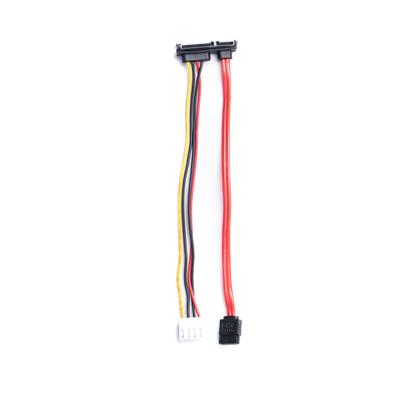
StarTech SATA Cable Left Angle RedMake a left-angled connection to your SATA drive, for installation in tight spaces. The SATA12LA1 Left Angle (90-degree) SATA Cable features a standard (straight) SATA receptacle as well as a left-angled SATA receptacle, providing a simple 12-inch connection to a Serial ATA drive, with full SATA 3.0 bandwidth support of up to 6Gbps when used with SATA 3.0 compliant drives. The left-angled SATA connection enables you to plug in your Serial ATA hard drive in hard to reach areas or tight spaces, wh12,99 £*Shipping: 0,00 £Secure redirect to the provider
-
How can one repair a SATA connection?
To repair a SATA connection, first, ensure that the cables are securely connected to both the motherboard and the storage device. If the connection is loose, reattach the cables firmly. If the issue persists, try using a different SATA cable to rule out any cable damage. Additionally, check the SATA port on the motherboard for any physical damage or debris that may be obstructing the connection. If none of these steps resolve the issue, it may be necessary to replace the SATA port or seek professional help. **
-
Is there no free SATA connection left?
To determine if there are any free SATA connections left, you can physically inspect the SATA ports on your motherboard or use a system information tool to check the number of SATA ports in use. If all the ports are occupied, you may need to consider using a SATA expansion card or replacing existing drives with larger capacity drives to free up connections. Additionally, you can also consider using external storage solutions such as USB drives or network-attached storage to expand your storage options. **
-
Which is the correct SATA SSD connection?
The correct SATA SSD connection is a 7-pin data connection and a 15-pin power connection. The 7-pin data connection is typically a flat, L-shaped connector, while the 15-pin power connection is a wider, rectangular connector. These connections are used to transfer data and provide power to the SATA SSD, allowing it to function properly within a computer system. **
-
How can I tell if my drive has a SATA III or SATA II connection?
To determine if your drive has a SATA III or SATA II connection, you can check the specifications of the drive or the device it is connected to. Look for the SATA version in the product manual or on the manufacturer's website. Additionally, you can check the speed of the drive using a diagnostic tool or software that provides information about the drive's connection speed. Another way to check is to look at the physical connectors on the drive and the motherboard - SATA III connectors typically have a different shape or color compared to SATA II connectors. **
* All prices are inclusive of VAT and, if applicable, plus shipping costs. The offer information is based on the details provided by the respective shop and is updated through automated processes. Real-time updates do not occur, so deviations can occur in individual cases. ** Note: Parts of this content were created by AI.