Buy easylove.co.uk ?
We are moving the project
easylove.co.uk .
Are you interested in purchasing the domain
easylove.co.uk ?
domain@kv-gmbh.de · 0541-91531010
Buy easylove.co.uk ?
What are Byzantine relations?
Byzantine relations refer to the diplomatic, political, and cultural interactions between the Byzantine Empire and other states or entities. These relations were crucial for the Byzantine Empire's survival and influence, as they involved alliances, treaties, trade agreements, and military cooperation with neighboring powers such as the Roman Empire, Persia, Arab Caliphates, and various European kingdoms. Byzantine relations also involved religious and cultural exchanges, as the Byzantine Empire played a significant role in spreading Christianity and preserving classical knowledge. These relations were often complex and constantly evolving, shaping the empire's foreign policy and its place in the wider world. **
Does anyone know of a Byzantine goat?
There is no specific mention of a "Byzantine goat" in historical records or literature. However, goats were commonly raised and used for their milk, meat, and wool in the Byzantine Empire. They were an important part of the agricultural economy and daily life of the Byzantine people. While there may not be a specific goat known as the "Byzantine goat," goats were certainly a familiar sight in Byzantine society. **


Similar search terms for Byzantine
Top-Angebote
Products related to Byzantine:
-
Nourison Desire Abstract Indoor Area RugCreate a bold focal point for conversation with this modern grey rug from the Desire Collection. The abstract design puts a dramatic spin on a classic bordered rug, with a distressed grey center surrounded by a charcoal grey border.939,00 $*Shipping: 0,00 $Secure redirect to the provider
-
Livabliss Desire Traditional Solid Area Rug"Presenting the ""Desire"" hand made rug from India, designed to bring an exotic touch of elegance to your living space. With its beautiful style and luxurious wool construction, this rug is not just a floor covering but a fashion statement."321,49 $*Shipping: 0,00 $Secure redirect to the provider
-
milk_shake curl passion shampoo 300ml, curl passion conditioner 300mlGently cleanse your hair while caring for your curls with this curly cleansing and conditioning pack from milk_shake. With professional-standard oils and natural ingredients, the Curl Passion Shampoo by milk_shake reinforces your hair's natural shape and eliminates frizz so it looks and feels stronger and healthier than ever. Enriched with organic milk and quinoa proteins as well as fruit extracts and organic pracaxi and babassu oils, the milk_shake Curl Passion Conditioner boosts softness and manageability, without weighing the hair down. The brand new milk_shake Leave In Conditioning Treatment is a treatment spray to help make curls soft, bouncy, flexible and long-lasting. Ingredients Leave In: Aqua (Water), PEG-40 Hydrogenated Castor Oil, Amodimethicone, Cetrimonium Chloride, Polyester-37, Polyquaternium-22, Hydrolyzed Milk Protein, Trideceth-12, Hydrolyzed Quinoa, Helianthus Annuus (Sunflower) Seed Extract, Citrus Limon (Lemon) Fruit Extract, Vaccinium Myrtillus Fruit Extract, Pyrus Malus (Apple) Fruit Extract, Orbignya Oleifera Seed Oil, Pentaclethra Macroloba Seed Oil, Parfum (Fragrance), Phenoxyethanol, Caprylyl Glycol, Citric Acid, Butylene Glycol, Benzyl Alcohol, Tocopherol, Amyl Cinnamal, Benzyl Benzoate, Benzyl Salicylate, Citronellol, Coumarin, Geraniol, Hexyl Cinnamal, Limonene, Linalool.60,17 £*Shipping: 0,00 £Secure redirect to the provider



-
What is meant by the Byzantine bureaucracy?
The Byzantine bureaucracy refers to the administrative system of the Byzantine Empire, which was highly organized and centralized. It was characterized by a complex hierarchy of officials and administrators who were responsible for managing the empire's vast territories, collecting taxes, enforcing laws, and overseeing various aspects of governance. The bureaucracy played a crucial role in maintaining the stability and functioning of the Byzantine state, and it was known for its efficiency and effectiveness in managing the empire's affairs. The Byzantine bureaucracy was also known for its use of intricate protocols and formalities, which contributed to the empire's reputation for elaborate ceremonial and court etiquette. **
-
Was the Byzantine Empire more Roman or Greek?
The Byzantine Empire was a blend of both Roman and Greek influences. While it was founded by the Roman Emperor Constantine and maintained Roman administrative structures, it also adopted many aspects of Greek culture, language, and art. The Byzantine Empire's official language was Greek, and its Christian religion was heavily influenced by Greek Orthodox traditions. Overall, the Byzantine Empire can be seen as a continuation of the Roman Empire with strong Greek cultural influences. **
-
Are there differences between the Roman and Byzantine Empires?
Yes, there are several differences between the Roman and Byzantine Empires. The Roman Empire was known for its vast territorial expansion and emphasis on military conquest, while the Byzantine Empire focused more on maintaining and consolidating its existing territories. The Roman Empire was predominantly pagan before adopting Christianity, while the Byzantine Empire was a stronghold of Christianity. Additionally, the Byzantine Empire had a more centralized and bureaucratic government compared to the Roman Empire's more decentralized system. **
-
Could the Byzantine Empire have restored the Roman Empire?
The Byzantine Empire, also known as the Eastern Roman Empire, was a continuation of the Roman Empire in the east. While the Byzantine Empire did manage to preserve many aspects of Roman culture and institutions, it faced numerous challenges that made restoring the Roman Empire in its entirety unlikely. The Western Roman Empire had already collapsed by the time the Byzantine Empire reached its height, and the Byzantines faced constant threats from external invasions, internal strife, and economic difficulties. Additionally, the Byzantine Empire had a different cultural and religious identity than the Western Roman Empire, making a full restoration of the Roman Empire under Byzantine rule improbable. **

What nationality did the Byzantine Emperor Justinian I have?
Byzantine Emperor Justinian I was of Illyrian descent, which is an ancient ethnic group that inhabited the western Balkans. Illyrians were known for their warrior culture and were one of the earliest known groups to inhabit the region. Justinian I was born in Tauresium, Illyria, which is located in modern-day North Macedonia. **
What connection did Otto I and his successor Otto II have to the Byzantine Empire?
Otto I, also known as Otto the Great, had a significant connection to the Byzantine Empire. In 972, he formed an alliance with the Byzantine Emperor John I Tzimiskes, which helped him secure his position as Holy Roman Emperor. Otto I also married Theophanu, a Byzantine princess, further solidifying the connection between the two empires. Otto II, his successor, continued to maintain a close relationship with the Byzantine Empire, and he even led a military campaign to aid the Byzantines against a rebellion in southern Italy. This connection to the Byzantine Empire helped the Ottonian dynasty strengthen its position in Europe and gain access to Byzantine culture and influence. **
Top-Angebote
Products related to Byzantine:
-
Hodder & Stoughton Mating in Captivity by Esther Perel - Paperback Relationship Psychology Book - Desire, Intimacy & Long-Term LoveMating in Captivity is Esther Perel's exploration of desire within long-term relationships. Drawing on decades as a couples therapist, Perel asks why security and passion often pull against each other, and what couples can do to keep eroticism alive once domestic routine sets in. This thought-provoking read blends clinical case studies with accessible prose, making it a staple recommendation for therapists and relationship counsellors. The book examines modern relationships, which promise lifelong companionship, deep intimacy, and lasting erotic connection, but often work against these goals. Esther Perel draws on over three decades of clinical practice to explore the complexities of desire and relationships. Published by Hodder & Stoughton, this paperback is a must-read for anyone in a committed relationship.3,99 £*Shipping: 2,99 £Secure redirect to the provider
-
Nourison Desire Abstract Indoor Area RugCreate a bold focal point for conversation with this modern grey rug from the Desire Collection. The abstract design puts a dramatic spin on a classic bordered rug, with a distressed grey center surrounded by a charcoal grey border.939,00 $*Shipping: 0,00 $Secure redirect to the provider
-
What are Byzantine relations?
Byzantine relations refer to the diplomatic, political, and cultural interactions between the Byzantine Empire and other states or entities. These relations were crucial for the Byzantine Empire's survival and influence, as they involved alliances, treaties, trade agreements, and military cooperation with neighboring powers such as the Roman Empire, Persia, Arab Caliphates, and various European kingdoms. Byzantine relations also involved religious and cultural exchanges, as the Byzantine Empire played a significant role in spreading Christianity and preserving classical knowledge. These relations were often complex and constantly evolving, shaping the empire's foreign policy and its place in the wider world. **
-
Does anyone know of a Byzantine goat?
There is no specific mention of a "Byzantine goat" in historical records or literature. However, goats were commonly raised and used for their milk, meat, and wool in the Byzantine Empire. They were an important part of the agricultural economy and daily life of the Byzantine people. While there may not be a specific goat known as the "Byzantine goat," goats were certainly a familiar sight in Byzantine society. **
-
What is meant by the Byzantine bureaucracy?
The Byzantine bureaucracy refers to the administrative system of the Byzantine Empire, which was highly organized and centralized. It was characterized by a complex hierarchy of officials and administrators who were responsible for managing the empire's vast territories, collecting taxes, enforcing laws, and overseeing various aspects of governance. The bureaucracy played a crucial role in maintaining the stability and functioning of the Byzantine state, and it was known for its efficiency and effectiveness in managing the empire's affairs. The Byzantine bureaucracy was also known for its use of intricate protocols and formalities, which contributed to the empire's reputation for elaborate ceremonial and court etiquette. **
-
Was the Byzantine Empire more Roman or Greek?
The Byzantine Empire was a blend of both Roman and Greek influences. While it was founded by the Roman Emperor Constantine and maintained Roman administrative structures, it also adopted many aspects of Greek culture, language, and art. The Byzantine Empire's official language was Greek, and its Christian religion was heavily influenced by Greek Orthodox traditions. Overall, the Byzantine Empire can be seen as a continuation of the Roman Empire with strong Greek cultural influences. **
Similar search terms for Byzantine
-
Livabliss Desire Traditional Solid Area Rug"Presenting the ""Desire"" hand made rug from India, designed to bring an exotic touch of elegance to your living space. With its beautiful style and luxurious wool construction, this rug is not just a floor covering but a fashion statement."321,49 $*Shipping: 0,00 $Secure redirect to the provider
-
milk_shake curl passion shampoo 300ml, curl passion conditioner 300mlGently cleanse your hair while caring for your curls with this curly cleansing and conditioning pack from milk_shake. With professional-standard oils and natural ingredients, the Curl Passion Shampoo by milk_shake reinforces your hair's natural shape and eliminates frizz so it looks and feels stronger and healthier than ever. Enriched with organic milk and quinoa proteins as well as fruit extracts and organic pracaxi and babassu oils, the milk_shake Curl Passion Conditioner boosts softness and manageability, without weighing the hair down. The brand new milk_shake Leave In Conditioning Treatment is a treatment spray to help make curls soft, bouncy, flexible and long-lasting. Ingredients Leave In: Aqua (Water), PEG-40 Hydrogenated Castor Oil, Amodimethicone, Cetrimonium Chloride, Polyester-37, Polyquaternium-22, Hydrolyzed Milk Protein, Trideceth-12, Hydrolyzed Quinoa, Helianthus Annuus (Sunflower) Seed Extract, Citrus Limon (Lemon) Fruit Extract, Vaccinium Myrtillus Fruit Extract, Pyrus Malus (Apple) Fruit Extract, Orbignya Oleifera Seed Oil, Pentaclethra Macroloba Seed Oil, Parfum (Fragrance), Phenoxyethanol, Caprylyl Glycol, Citric Acid, Butylene Glycol, Benzyl Alcohol, Tocopherol, Amyl Cinnamal, Benzyl Benzoate, Benzyl Salicylate, Citronellol, Coumarin, Geraniol, Hexyl Cinnamal, Limonene, Linalool.60,17 £*Shipping: 0,00 £Secure redirect to the provider
-
milk_shake curl passion shampoo 300ml, curl passion conditioner 300ml,Unlock the secret to beautiful, long-lasting, and frizz-free curls with the milk_shake Curl Passion collection, specifically formulated to cleanse, condition, and define all curly hair types. This ultimate range goes beyond basic hydration, infusing your hair with deep moisture thanks to nourishing ingredients like organic pracaxi and babassu oils, along with revitalizing milk proteins, fruit extracts, Integrity 41, and quinoa proteins. Start your routine with the Curl Passion Shampoo, which gently and deeply cleanses while enhancing softness and manageability without weighing your hair down. By delivering the right nourishment and incorporating cationic energy, this collection ensures that each curl naturally repels the next, providing that sought-after bouncy separation and movement. Embrace the confidence of perfectly defined, flexible, and soft curls that maintain their shape and vitality throughout the day. Experience maximum curl definition and hydration with the powerful combination of milk_shake Curl Passion Conditioner and Leave-In Conditioner. The Curl Passion Conditioner is the essential hydrating treatment designed to combat frizz, which is commonly caused by lack of moisture in curly hair. Apply this Paraben-free formula to lengths and ends to restore hydration, ensuring your curls remain bouncy and flexible. For an enhanced conditioning boost, follow up with the Curl Passion Leave-In Conditioner, a specific treatment spray that further helps make curls soft, bouncy, and long-lasting. This duo provides comprehensive care, tackling dryness and improving elasticity, setting the foundation for beautifully tamed hair. These products work synergistically to provide intense, targeted hydration, making them indispensable additions to your curly hair care regimen for optimal health and shine. Complete your styling with the milk_shake Curl Perfectionist, the ultimate curl-defining cream engineered to enhance and shape natural curls while effectively eliminating frizz. This rich cream delivers long-lasting definition, incredible softness, and brilliant shine, leaving curls disciplined and full of life. Beyond just styling, the Curl Perfectionist is your go-to solution for refreshing your curls between washes; it instantly revives shape and movement without the need to re-wet or re-style, making it perfect for daily maintenance. Infusing curls with deep moisture and that unique cationic energy, this cream ensures a beautifully defined, frizz-free, and bouncy separation every time. Invest in the full Curl Passion range to transform your hair care routine, achieving elastic, soft, and vibrant curls that are full of life and bounce. Ingredients: Curl Passion Shampoo: Aqua (Water), Ammonium Lauryl Sulfate, Cocamidopropyl Betaine, Disodium Laureth Sulfosuccinate, Sodium Chloride, Glycerin, Glycol Distearate, Polyquaternium-28, Laureth-4, Hydrolyzed, Milk Protein, Hydrolyzed Quinoa, Helianthus Annuus (Sunflower) Seed Extract, Citrus Limon (Lemon)...81,72 £*Shipping: 0,00 £Secure redirect to the provider
-
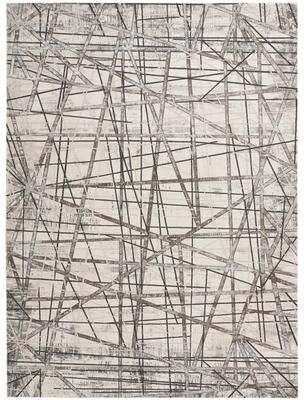
Nourison Desire Indoor Silver Abstract Area RugMake a bold statement with this abstract rug from the Desire Collection. Presented in neutral shades of grey and silver, it features a crisscross linear pattern with carved accents that add depth.939,00 $*Shipping: 0,00 $Secure redirect to the provider
-
Are there differences between the Roman and Byzantine Empires?
Yes, there are several differences between the Roman and Byzantine Empires. The Roman Empire was known for its vast territorial expansion and emphasis on military conquest, while the Byzantine Empire focused more on maintaining and consolidating its existing territories. The Roman Empire was predominantly pagan before adopting Christianity, while the Byzantine Empire was a stronghold of Christianity. Additionally, the Byzantine Empire had a more centralized and bureaucratic government compared to the Roman Empire's more decentralized system. **
-
Could the Byzantine Empire have restored the Roman Empire?
The Byzantine Empire, also known as the Eastern Roman Empire, was a continuation of the Roman Empire in the east. While the Byzantine Empire did manage to preserve many aspects of Roman culture and institutions, it faced numerous challenges that made restoring the Roman Empire in its entirety unlikely. The Western Roman Empire had already collapsed by the time the Byzantine Empire reached its height, and the Byzantines faced constant threats from external invasions, internal strife, and economic difficulties. Additionally, the Byzantine Empire had a different cultural and religious identity than the Western Roman Empire, making a full restoration of the Roman Empire under Byzantine rule improbable. **
-
What nationality did the Byzantine Emperor Justinian I have?
Byzantine Emperor Justinian I was of Illyrian descent, which is an ancient ethnic group that inhabited the western Balkans. Illyrians were known for their warrior culture and were one of the earliest known groups to inhabit the region. Justinian I was born in Tauresium, Illyria, which is located in modern-day North Macedonia. **
-
What connection did Otto I and his successor Otto II have to the Byzantine Empire?
Otto I, also known as Otto the Great, had a significant connection to the Byzantine Empire. In 972, he formed an alliance with the Byzantine Emperor John I Tzimiskes, which helped him secure his position as Holy Roman Emperor. Otto I also married Theophanu, a Byzantine princess, further solidifying the connection between the two empires. Otto II, his successor, continued to maintain a close relationship with the Byzantine Empire, and he even led a military campaign to aid the Byzantines against a rebellion in southern Italy. This connection to the Byzantine Empire helped the Ottonian dynasty strengthen its position in Europe and gain access to Byzantine culture and influence. **
* All prices are inclusive of VAT and, if applicable, plus shipping costs. The offer information is based on the details provided by the respective shop and is updated through automated processes. Real-time updates do not occur, so deviations can occur in individual cases. ** Note: Parts of this content were created by AI.