Buy easylove.co.uk ?
We are moving the project
easylove.co.uk .
Are you interested in purchasing the domain
easylove.co.uk ?
domain@kv-gmbh.de · 0541-91531010
Buy easylove.co.uk ?
Is the square axis-symmetric, but not point-symmetric?
Yes, a square is axis-symmetric, meaning it has rotational symmetry around its center axis. However, it is not point-symmetric, as it does not have reflectional symmetry across any point within the shape. This is because a square does not have a point that can be reflected across to create a matching image. **
Which capital and lowercase letters are rotationally symmetric and reflection symmetric?
The capital letters that are both rotationally symmetric and reflection symmetric are "I", "O", "S", "H", "X", and "Z". The lowercase letters that are both rotationally symmetric and reflection symmetric are "o" and "x". These letters look the same when rotated 180 degrees or when reflected across a vertical line. **


Similar search terms for Symmetric
Top-Angebote
Products related to Symmetric:
-
Nourison Desire Indoor Area RugRefresh your space with the clean linear pattern of this geometric rug from the Desire Collection. The heathered base is overlaid with a broken stripe design, contrasting linear border, and subtly carved accents that create visual interest.205,00 $*Shipping: 0,00 $Secure redirect to the provider
-
Livabliss Desire Traditional Solid Area Rug"Presenting the ""Desire"" hand made rug from India, designed to bring an exotic touch of elegance to your living space. With its beautiful style and luxurious wool construction, this rug is not just a floor covering but a fashion statement."474,99 $*Shipping: 0,00 $Secure redirect to the provider


-
Can a rational function be both axis-symmetric and point-symmetric?
No, a rational function cannot be both axis-symmetric and point-symmetric. If a rational function is axis-symmetric, it means that it is symmetric with respect to the y-axis, while point-symmetry would require symmetry with respect to the origin. These two types of symmetry are mutually exclusive, so a rational function cannot exhibit both types of symmetry simultaneously. **
-
Can a polynomial function be both axis-symmetric and point-symmetric?
No, a polynomial function cannot be both axis-symmetric and point-symmetric. If a polynomial function is axis-symmetric, it means that it is symmetric with respect to the y-axis, while if it is point-symmetric, it means that it is symmetric with respect to the origin. These two types of symmetry are mutually exclusive, so a polynomial function cannot exhibit both types of symmetry simultaneously. **
-
Which uppercase and lowercase letters are rotationally symmetric and reflection symmetric?
The uppercase letters that are both rotationally symmetric and reflection symmetric are 'H', 'I', 'N', 'O', 'S', 'X', and 'Z'. The lowercase letters that are both rotationally symmetric and reflection symmetric are 'o' and 'x'. These letters look the same when rotated 180 degrees or when reflected across a vertical axis. **
-
Which capital letters of the alphabet are point symmetric and axis symmetric?
The capital letters of the alphabet that are point symmetric are A, H, I, M, O, T, U, V, W, X, and Y. These letters look the same when rotated 180 degrees around their center point. The capital letters that are axis symmetric are A, H, I, M, O, T, U, V, W, X, and Y. These letters look the same when reflected across a vertical axis. **
Which capital letters of the alphabet are point-symmetric and axis-symmetric?
The capital letters of the alphabet that are both point-symmetric and axis-symmetric are the letter "H" and the letter "I". These letters have vertical symmetry as well as symmetry when rotated 180 degrees. This means that they look the same when flipped vertically or rotated 180 degrees around their center point. **
Does "symmetric to the origin" always mean point symmetric in profile tasks?
No, "symmetric to the origin" does not always mean point symmetric in profile tasks. In profile tasks, "symmetric to the origin" means that the object is symmetric with respect to the origin of the coordinate system, which is the point (0,0). This means that if you reflect the object across the x-axis and the y-axis, it will look the same. Point symmetry, on the other hand, means that the object is symmetric with respect to a specific point, not necessarily the origin. Therefore, while point symmetry implies symmetry to the origin, symmetry to the origin does not always imply point symmetry in profile tasks. **
Top-Angebote
Products related to Symmetric:
-
Nourison Desire Indoor Area RugRefresh your space with the clean linear pattern of this geometric rug from the Desire Collection. The heathered base is overlaid with a broken stripe design, contrasting linear border, and subtly carved accents that create visual interest.205,00 $*Shipping: 0,00 $Secure redirect to the provider
-
Is the square axis-symmetric, but not point-symmetric?
Yes, a square is axis-symmetric, meaning it has rotational symmetry around its center axis. However, it is not point-symmetric, as it does not have reflectional symmetry across any point within the shape. This is because a square does not have a point that can be reflected across to create a matching image. **
-
Which capital and lowercase letters are rotationally symmetric and reflection symmetric?
The capital letters that are both rotationally symmetric and reflection symmetric are "I", "O", "S", "H", "X", and "Z". The lowercase letters that are both rotationally symmetric and reflection symmetric are "o" and "x". These letters look the same when rotated 180 degrees or when reflected across a vertical line. **
-
Can a rational function be both axis-symmetric and point-symmetric?
No, a rational function cannot be both axis-symmetric and point-symmetric. If a rational function is axis-symmetric, it means that it is symmetric with respect to the y-axis, while point-symmetry would require symmetry with respect to the origin. These two types of symmetry are mutually exclusive, so a rational function cannot exhibit both types of symmetry simultaneously. **
-
Can a polynomial function be both axis-symmetric and point-symmetric?
No, a polynomial function cannot be both axis-symmetric and point-symmetric. If a polynomial function is axis-symmetric, it means that it is symmetric with respect to the y-axis, while if it is point-symmetric, it means that it is symmetric with respect to the origin. These two types of symmetry are mutually exclusive, so a polynomial function cannot exhibit both types of symmetry simultaneously. **
Similar search terms for Symmetric
-
Livabliss Desire Traditional Solid Area Rug"Presenting the ""Desire"" hand made rug from India, designed to bring an exotic touch of elegance to your living space. With its beautiful style and luxurious wool construction, this rug is not just a floor covering but a fashion statement."474,99 $*Shipping: 0,00 $Secure redirect to the provider
-
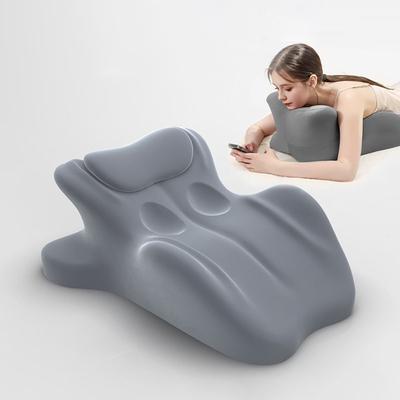
Youfap Market Memory Foam Wedge, Couple Pillow For Intimacy & Support, Lumbar Neck Support Memory Foam Wedge, Couple Pillow For Intimacy & Support, Lumbar Neck SupportUltimate Comfort and Support for Intimacy Designed for couples seeking better comfort, the Couple Pillow for Intimacy & Support features a memory foam wedge that helps achieve the perfect position during intimate moments. Its unique shape promotes...99,97 $*Shipping: 0,00 $Secure redirect to the provider
-
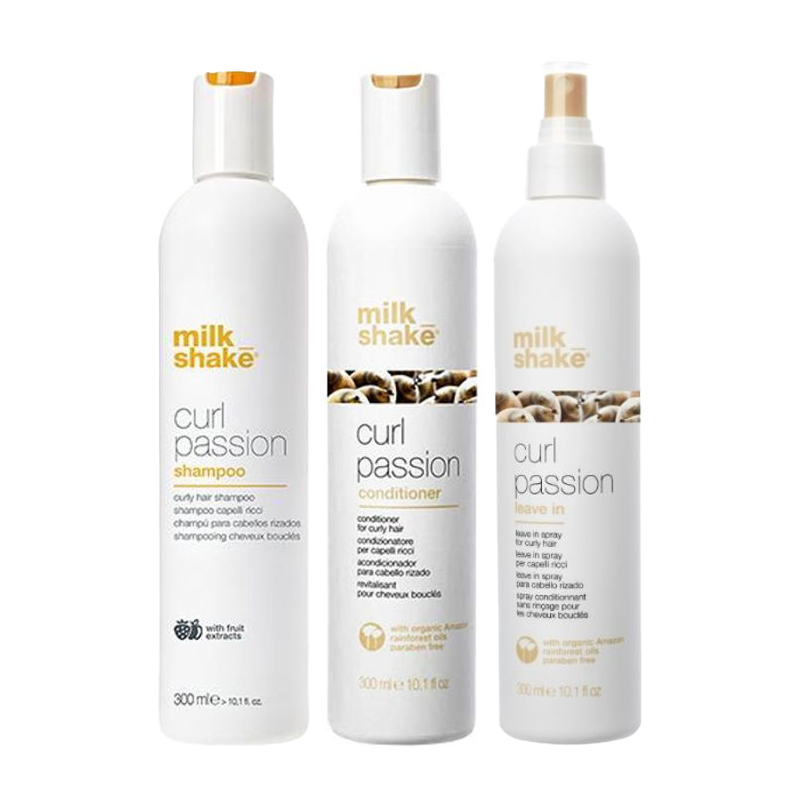
milk_shake curl passion shampoo 300ml, curl passion conditioner 300mlGently cleanse your hair while caring for your curls with this curly cleansing and conditioning pack from milk_shake. With professional-standard oils and natural ingredients, the Curl Passion Shampoo by milk_shake reinforces your hair's natural shape and eliminates frizz so it looks and feels stronger and healthier than ever. Enriched with organic milk and quinoa proteins as well as fruit extracts and organic pracaxi and babassu oils, the milk_shake Curl Passion Conditioner boosts softness and manageability, without weighing the hair down. The brand new milk_shake Leave In Conditioning Treatment is a treatment spray to help make curls soft, bouncy, flexible and long-lasting. Ingredients Leave In: Aqua (Water), PEG-40 Hydrogenated Castor Oil, Amodimethicone, Cetrimonium Chloride, Polyester-37, Polyquaternium-22, Hydrolyzed Milk Protein, Trideceth-12, Hydrolyzed Quinoa, Helianthus Annuus (Sunflower) Seed Extract, Citrus Limon (Lemon) Fruit Extract, Vaccinium Myrtillus Fruit Extract, Pyrus Malus (Apple) Fruit Extract, Orbignya Oleifera Seed Oil, Pentaclethra Macroloba Seed Oil, Parfum (Fragrance), Phenoxyethanol, Caprylyl Glycol, Citric Acid, Butylene Glycol, Benzyl Alcohol, Tocopherol, Amyl Cinnamal, Benzyl Benzoate, Benzyl Salicylate, Citronellol, Coumarin, Geraniol, Hexyl Cinnamal, Limonene, Linalool.60,17 £*Shipping: 0,00 £Secure redirect to the provider
-
Which uppercase and lowercase letters are rotationally symmetric and reflection symmetric?
The uppercase letters that are both rotationally symmetric and reflection symmetric are 'H', 'I', 'N', 'O', 'S', 'X', and 'Z'. The lowercase letters that are both rotationally symmetric and reflection symmetric are 'o' and 'x'. These letters look the same when rotated 180 degrees or when reflected across a vertical axis. **
-
Which capital letters of the alphabet are point symmetric and axis symmetric?
The capital letters of the alphabet that are point symmetric are A, H, I, M, O, T, U, V, W, X, and Y. These letters look the same when rotated 180 degrees around their center point. The capital letters that are axis symmetric are A, H, I, M, O, T, U, V, W, X, and Y. These letters look the same when reflected across a vertical axis. **
-
Which capital letters of the alphabet are point-symmetric and axis-symmetric?
The capital letters of the alphabet that are both point-symmetric and axis-symmetric are the letter "H" and the letter "I". These letters have vertical symmetry as well as symmetry when rotated 180 degrees. This means that they look the same when flipped vertically or rotated 180 degrees around their center point. **
-
Does "symmetric to the origin" always mean point symmetric in profile tasks?
No, "symmetric to the origin" does not always mean point symmetric in profile tasks. In profile tasks, "symmetric to the origin" means that the object is symmetric with respect to the origin of the coordinate system, which is the point (0,0). This means that if you reflect the object across the x-axis and the y-axis, it will look the same. Point symmetry, on the other hand, means that the object is symmetric with respect to a specific point, not necessarily the origin. Therefore, while point symmetry implies symmetry to the origin, symmetry to the origin does not always imply point symmetry in profile tasks. **
* All prices are inclusive of VAT and, if applicable, plus shipping costs. The offer information is based on the details provided by the respective shop and is updated through automated processes. Real-time updates do not occur, so deviations can occur in individual cases. ** Note: Parts of this content were created by AI.